New preprint!
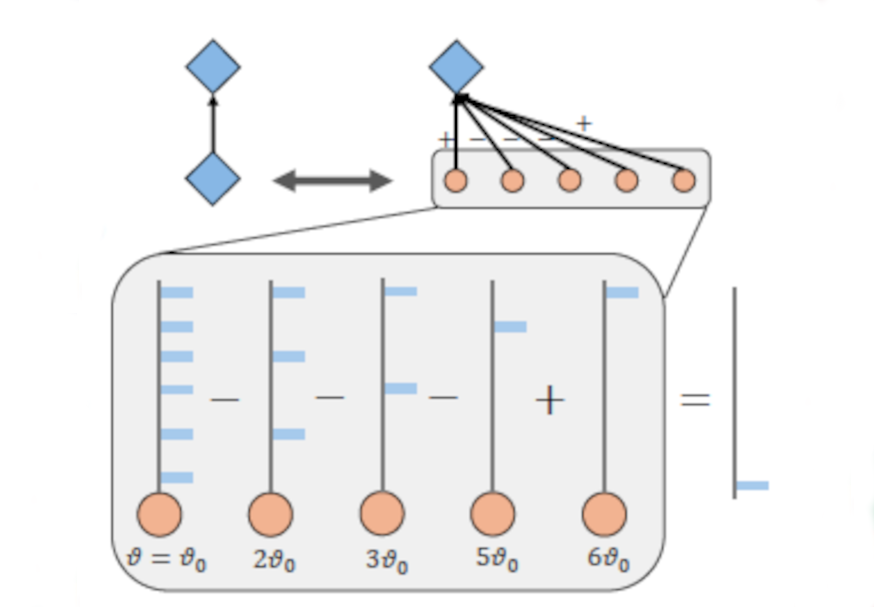
What is better: having neurons spike only once, or multiple times? In our new preprint we show that both approaches are equivalent!
Marie Curie Research Fellow
What is better: having neurons spike only once, or multiple times? In our new preprint we show that both approaches are equivalent!
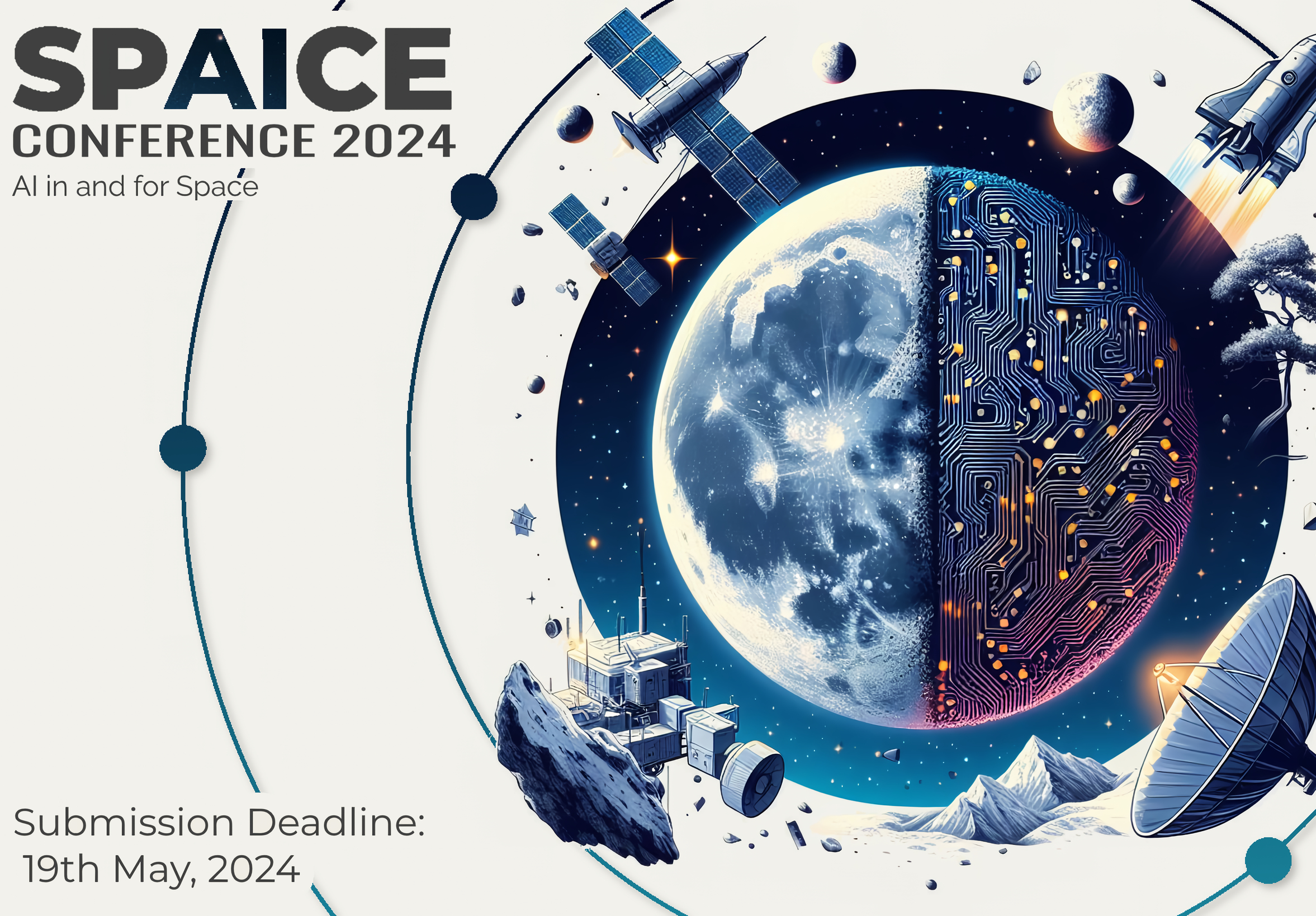
We released the call for papers of SPAICE 2026! This time, the conference will take place at ESTEC, the heart of space research in Europe.
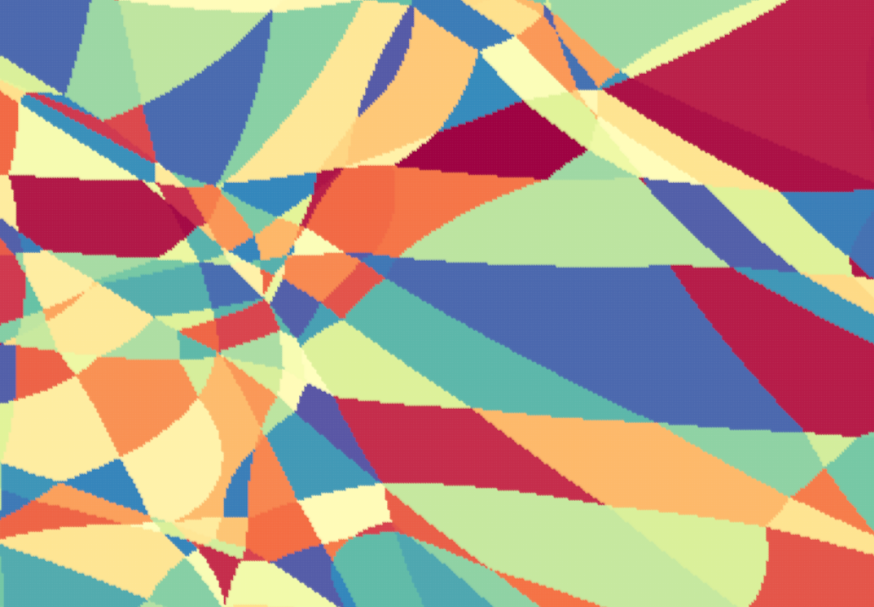
I just published a new preprint introducing the concept of "causal pieces" to analyse and improve spiking neural networks.
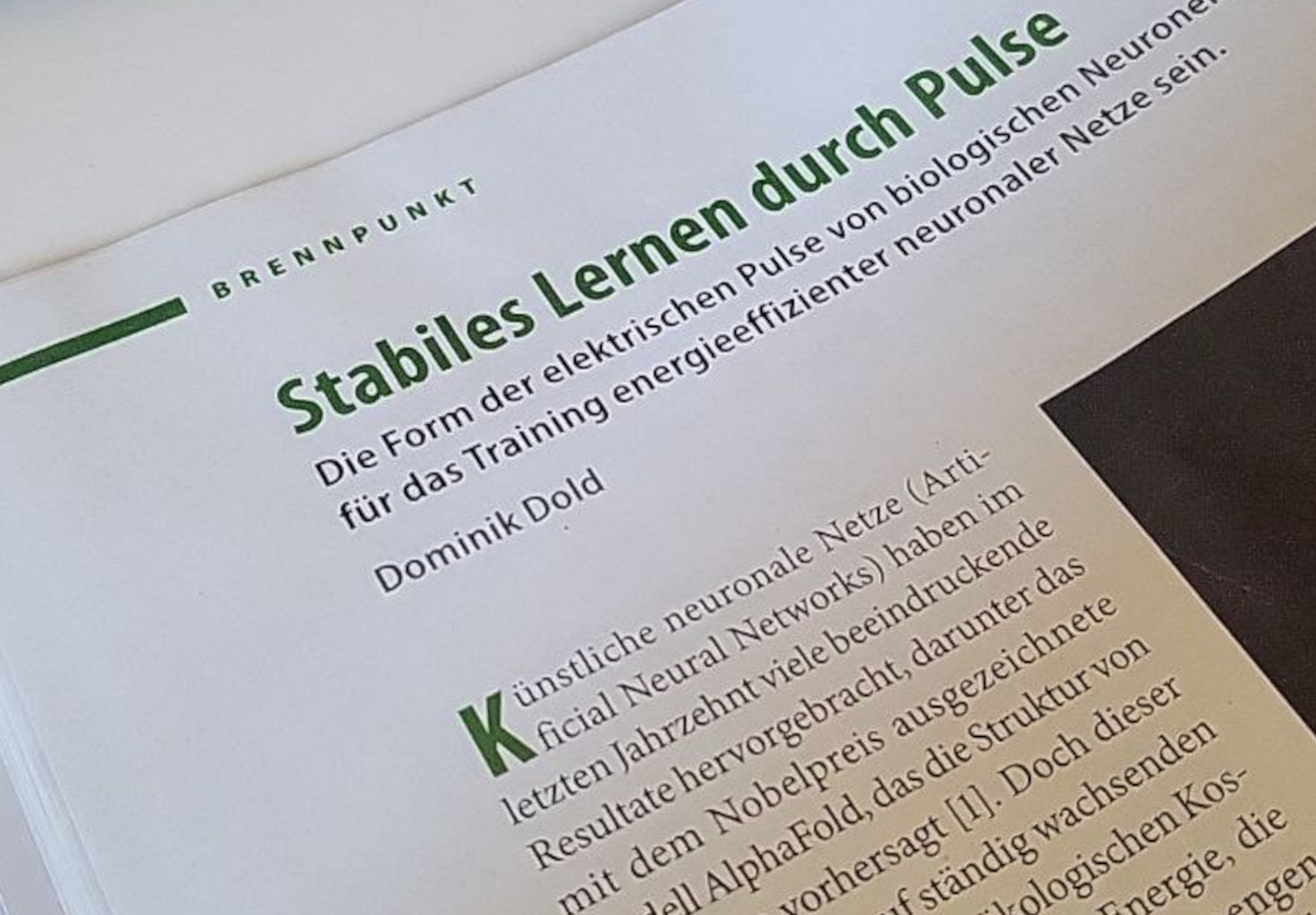
As a german physicist, this one is a true highlight for me! My Brennpunkt article for the Physik Journal of the DPG has been published in the April edition.
I am honored to again be chair of the scientific committee of SPAICE, this time organized by the International Academy of Astronautics (IAA).
I had the pleasure to write a comment for a new paper on training spiking neural networks, published in the Physics Magazine (APS).
My latest publication on reprogrammable lattice structures for space applications has been featured on phys.org!
I am honored to be editor of Springer Astrodynamics' special issue on spAIce 2024: One small step for AI in and for space!
With more than 150 submitted papers and over 200 registrations, SPAICE was a huge success. Check out the proceedings published on Zenodo!
I started as a Marie Curie Research Fellow in the Machine Learning Group of Prof. Philipp Petersen at the University of Vienna!
I am very honored to have been invited to an upcoming Dagstuhl seminar on (Actual) Neurosymbolic AI: Combining Deep Learning and Knowledge Graphs!
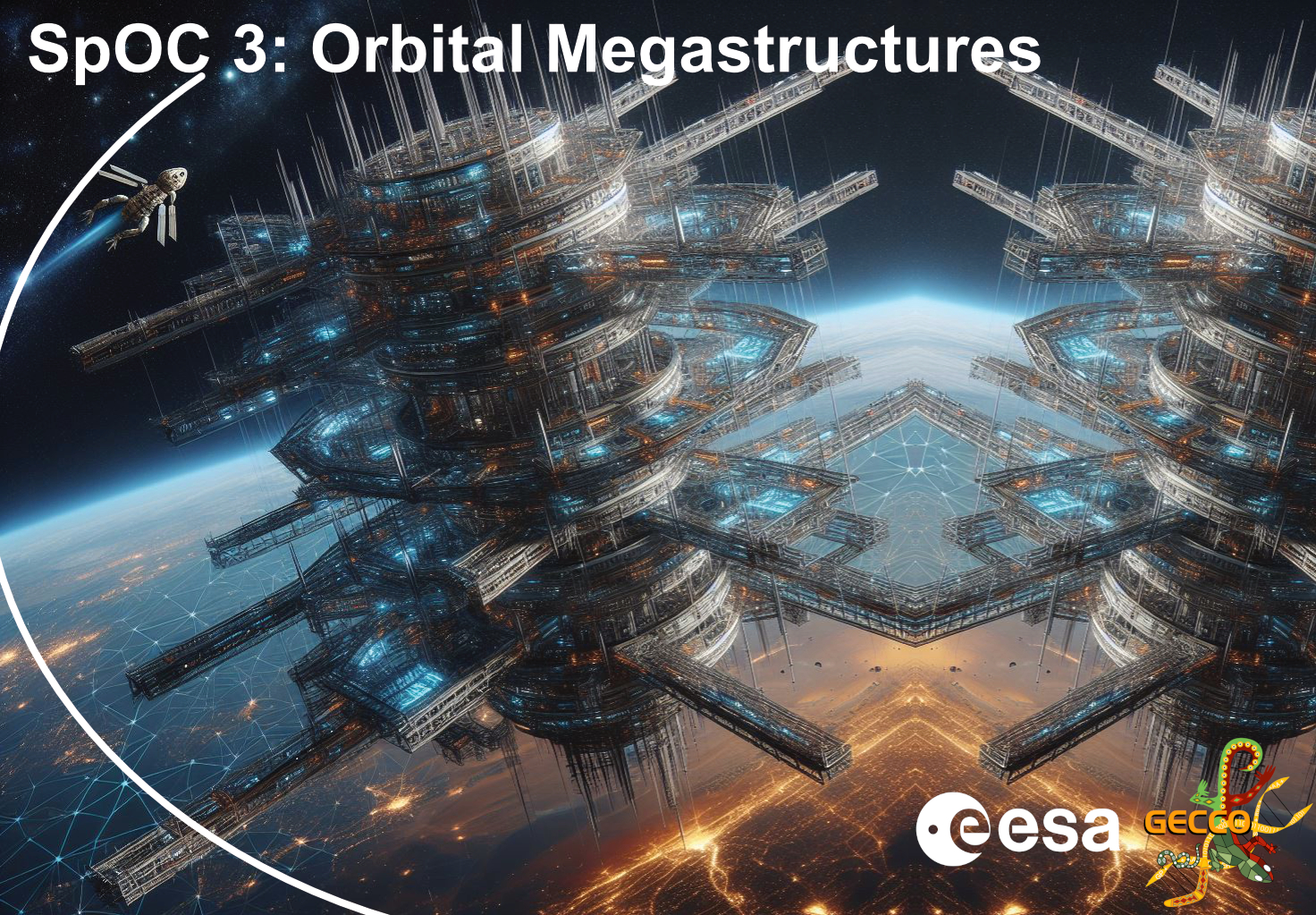
We just launched the third edition of ESA's Space Optimization Competition! Check out the Programmable Cubes challenge that I designed :)
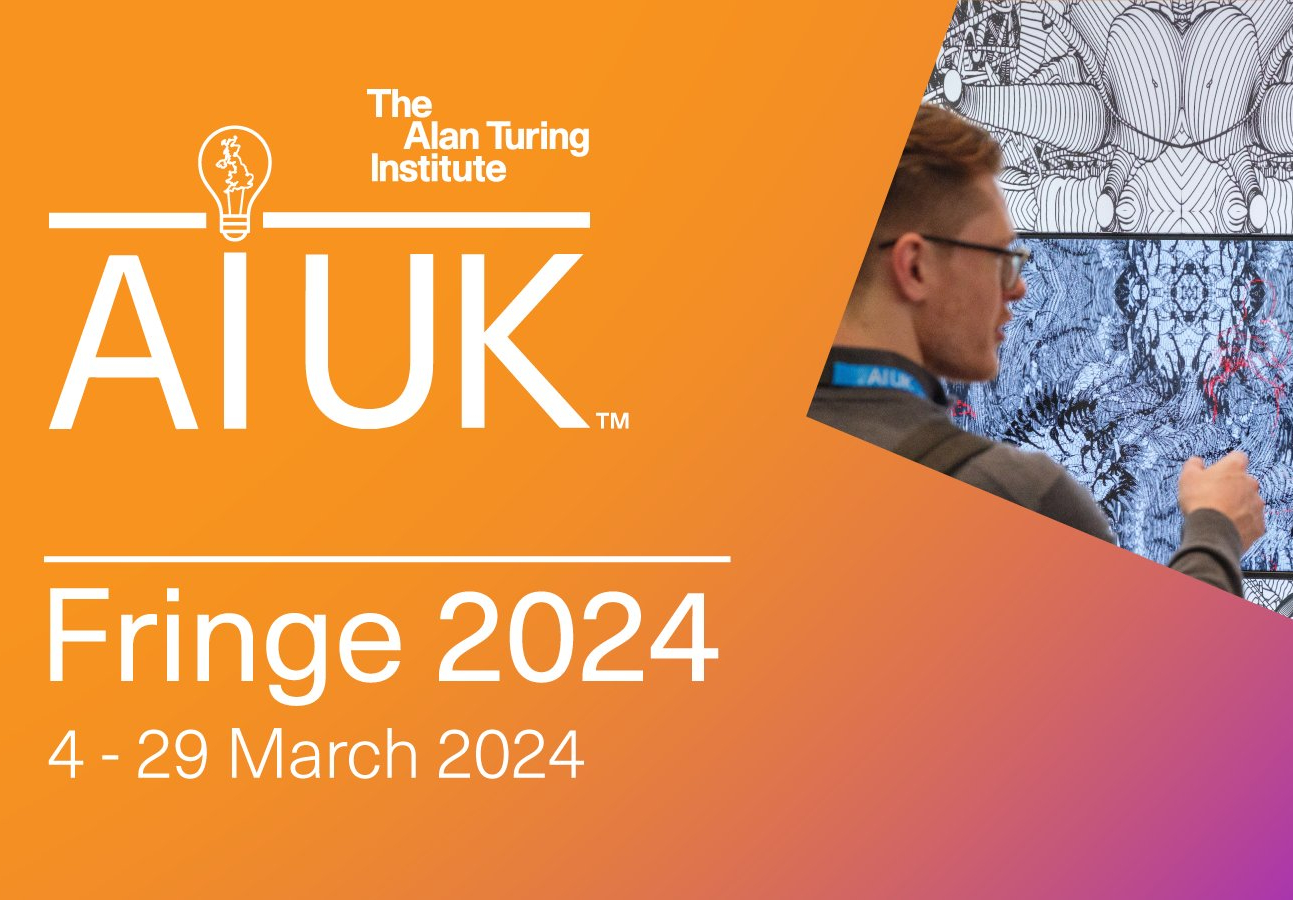
I was invited to give a talk about my work at the Neuromorphic technology: a giant leap for AI workshop of the AI UK Fringe events.
We opened the call for papers of the new conference SPAICE: AI in and for Space. I am super excited to be a chair of the scientific committee!
My publication Differentiable graph-structured models for inverse design of lattice materials has been published in Cell Reports Physical Science.
My proposal BASE: Biologically-inspired Autonomous Systems for Space Exploration has been funded under a Marie Curie (MSCA) Fellowship.
I had the pleasure to give an invited presentation about my scientific career and my work at the UCL AI Society in front of more than 30 students.


My research focuses on the foundations of artificial intelligence, with the aim of developing efficient, robust, and theoretically grounded machine learning models. I am particularly interested in understanding the expressivity and robustness of modern AI models, and in developing analytical tools to guide their design.
I explore emerging machine learning paradigms such as spiking neural networks, neuromorphic computing, and quantum machine learning, combining theoretical analysis with simulation and real-world applications. A major goal of my work is to understand how complex behaviour arises from local interactions in dynamical systems, with a focus on energy-efficient and adaptive computation.
My research interests include: theoretical foundations of machine learning, artificial intelligence, graph-based learning, spiking neural networks, neuromorphic computing, self-organising systems, quantum computing, and applications in space and beyond.